
The Best Interior House Painting Service in Myrtle Beach
ESR Painting LLC is known for quality Interior House Painting in Myrtle Beach. See why locals trust us below.
ESR Painting LLC
Interior House Painting
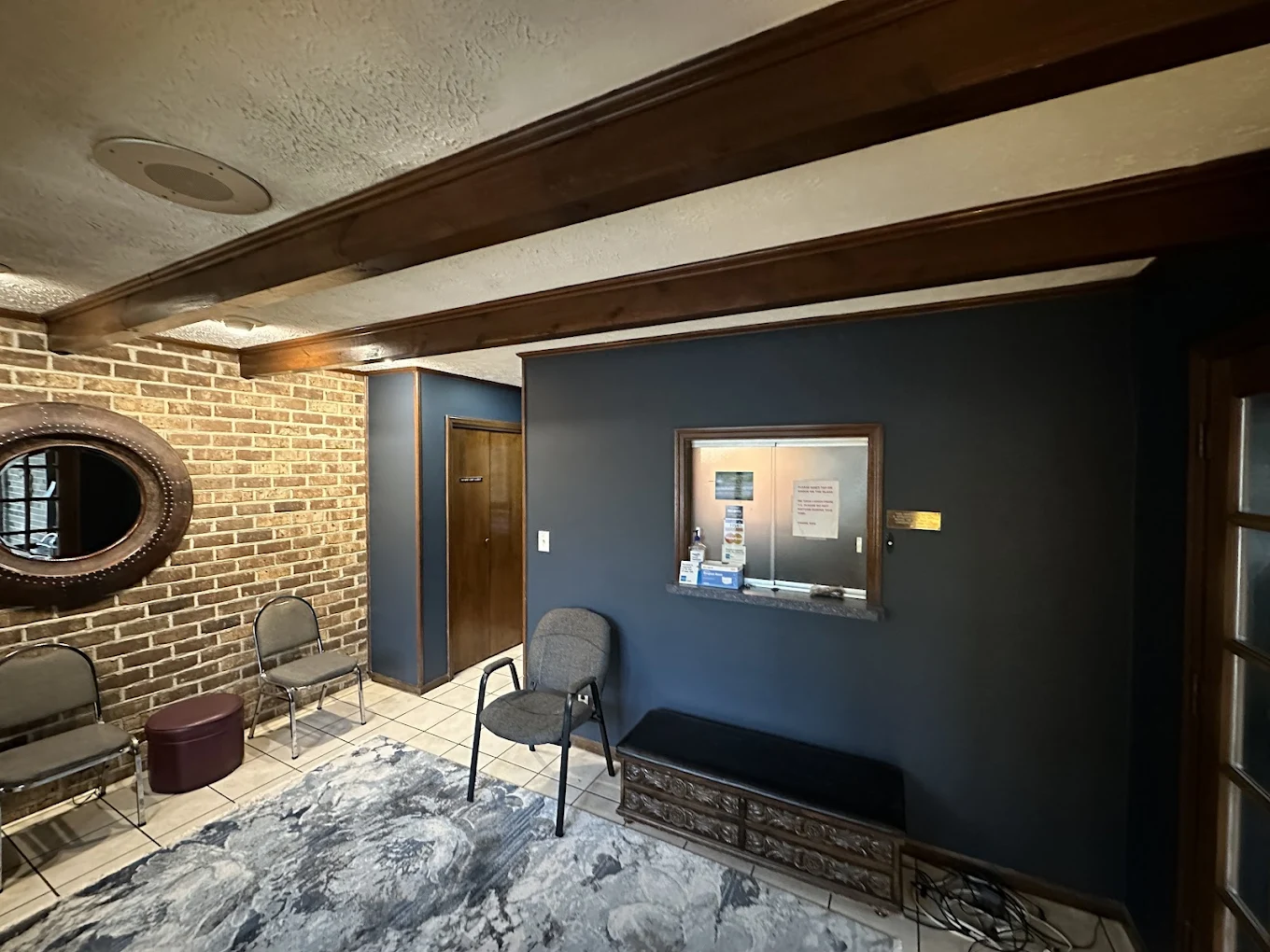
Our Interior House Painting
Appointment Hours
Sunday: 24 hours
Monday: 24 hours
Tuesday: 24 hours
Wednesday: 24 hours
Thursday: 24 hours
Friday: 24 hours
Saturday: 24 hours
What You Can Expect From Our Interior House Painting Service
You’re Here Because the Inside of Your Home is Bothering You
Interior house painting is the right service when the rooms feel dull, patched, or mismatched and you want them to look clean and intentional again. Most calls come after a few years of touch ups that never blend, scuffs that keep reappearing, or a color that looked fine in the store but feels heavy once it’s on four walls. If you’re weighing providers right now, this page is meant to help you decide if we’re a fit for your home and your timeline before you waste time on a back and forth.
What Interior Painting Comes Down To in Real Homes
A good interior repaint is mostly about the surface you’re putting paint onto and how light hits it after. In homes here, humidity and strong sun through windows can make old patches, roller marks, and uneven texture stand out more than people expect, especially in flat or low sheen finishes. The paint is only part of it. The bigger difference is whether the walls are cleaned, de glossed where needed, corrected where they’re wavy, and then coated in a way that levels out instead of telegraphing every repair. If you already know there are problem spots that need more than a quick spackle, it’s worth looking at Drywall Repair first so the paint job is built on something that can actually look right.
When Painting is the Right Move & When it’s a Band-Aid
Interior painting is the right choice when your walls are basically sound but visually worn, stained, dated, or simply not your style anymore. It is not the right fix when the issues are active, like repeated moisture staining, peeling from a bathroom that never dries out, or soft drywall from an old leak that was never properly addressed. Timing matters too. If you are doing floors, trim replacement, or major electrical work, we should talk about sequencing so you do not pay twice. If your goal is to make the home feel refreshed for daily living, guests, or a sale, painting can be the highest impact change for the least disruption, as long as the prep matches the condition of the space.
How I Handle Interior Jobs so the Finish Stays Clean After I Leave
I do not treat interior painting like a race to get color on the wall. I walk the rooms with you and call out what will show when the light changes during the day, what will read as a straight line, and what will always look off unless it is corrected. We plan around how the home is actually used, including pets, work from home, and the rooms you cannot lose for a week. I also stay realistic about dry and cure time in a humid house that is running air conditioning, because a wall can feel dry and still mark up easily if it gets put back into service too fast. When people ask about doing trim at the same time, I usually point them to Trim Painting because it is a separate decision that changes both the look and the schedule.
What You Should Notice Afterward and What to do Next
When the job is done right, the room feels brighter and calmer because the walls look uniform, patched areas stop flashing, and the edges look crisp without drawing attention to themselves. The biggest difference is that the space stops looking like a collection of old touch ups and starts looking finished again. If you want to move forward, the next step is simple. Reach out through the Contact Page with the rooms you want painted, any known repairs, and your rough timing, and I will tell you what makes sense and what I would do differently if you want the best result for the money.
You’re Here Because the Inside of Your Home is Bothering You
Interior house painting is the right service when the rooms feel dull, patched, or mismatched and you want them to look clean and intentional again. Most calls come after a few years of touch ups that never blend, scuffs that keep reappearing, or a color that looked fine in the store but feels heavy once it’s on four walls. If you’re weighing providers right now, this page is meant to help you decide if we’re a fit for your home and your timeline before you waste time on a back and forth.
What Interior Painting Comes Down To in Real Homes
A good interior repaint is mostly about the surface you’re putting paint onto and how light hits it after. In homes here, humidity and strong sun through windows can make old patches, roller marks, and uneven texture stand out more than people expect, especially in flat or low sheen finishes. The paint is only part of it. The bigger difference is whether the walls are cleaned, de glossed where needed, corrected where they’re wavy, and then coated in a way that levels out instead of telegraphing every repair. If you already know there are problem spots that need more than a quick spackle, it’s worth looking at Drywall Repair first so the paint job is built on something that can actually look right.
When Painting is the Right Move & When it’s a Band-Aid
Interior painting is the right choice when your walls are basically sound but visually worn, stained, dated, or simply not your style anymore. It is not the right fix when the issues are active, like repeated moisture staining, peeling from a bathroom that never dries out, or soft drywall from an old leak that was never properly addressed. Timing matters too. If you are doing floors, trim replacement, or major electrical work, we should talk about sequencing so you do not pay twice. If your goal is to make the home feel refreshed for daily living, guests, or a sale, painting can be the highest impact change for the least disruption, as long as the prep matches the condition of the space.
How I Handle Interior Jobs so the Finish Stays Clean After I Leave
I do not treat interior painting like a race to get color on the wall. I walk the rooms with you and call out what will show when the light changes during the day, what will read as a straight line, and what will always look off unless it is corrected. We plan around how the home is actually used, including pets, work from home, and the rooms you cannot lose for a week. I also stay realistic about dry and cure time in a humid house that is running air conditioning, because a wall can feel dry and still mark up easily if it gets put back into service too fast. When people ask about doing trim at the same time, I usually point them to Trim Painting because it is a separate decision that changes both the look and the schedule.
What You Should Notice Afterward and What to do Next
When the job is done right, the room feels brighter and calmer because the walls look uniform, patched areas stop flashing, and the edges look crisp without drawing attention to themselves. The biggest difference is that the space stops looking like a collection of old touch ups and starts looking finished again. If you want to move forward, the next step is simple. Reach out through the Contact Page with the rooms you want painted, any known repairs, and your rough timing, and I will tell you what makes sense and what I would do differently if you want the best result for the money.
Stay in the loop with
ESR Painting LLC!
ESR Painting LLC Socials
Stay in the loop with ESR Painting LLC online!
See what people have to say about us on Google
Interior House Painting Questions & Answers From a Specialist
See questions our friends in Myrtle Beach ask us!
How soon can we use the room after it’s painted?
You can usually move carefully in the space the same day, but putting everything back tight to the walls and hanging items should wait until the paint has had time to firm up. In a humid home with air conditioning running, cure time matters more than people think, especially on doors, trim, and lower sheen wall finishes that can scuff if they get pressed too soon.
Do you handle the wall repairs before painting or do I need a separate contractor?
I handle the common repairs that go with painting, like nail pops, small cracks, and old patch areas that need to be flattened so they do not flash. If the walls have widespread texture issues, water damage, or larger sections that need real correction, I will say that up front so you can decide whether to address it before we paint or adjust expectations.
What do I need to do before you arrive?
The main thing is access. I need clear paths and enough space to work cleanly along walls and around doors. If there are fragile items, small décor, or anything that cannot be bumped, those should be moved out. If heavy furniture has to stay, we plan around it and protect it, but tight rooms can slow the job down.
Can you paint just one room without the rest of the house looking worse?
Yes, but the key is matching what is already there. New paint can make nearby rooms look more tired by contrast, and old white trim can look yellow once fresh wall color goes up. I will talk through whether the single room makes sense alone or whether it is smarter to include the hallway, adjacent walls, or trim so the change looks intentional.
What if I’m not sure about the color or I’m worried it will look different at night?
That worry is valid, because lighting changes everything. I will ask where the natural light comes from, what bulbs you use, and what finishes are in the room so the choice does not surprise you later. If you are stuck between a couple options, we can narrow it down based on what will hide wear, what will show patching, and what will feel right with your flooring and trim.